



How to Choose the Best Stair Chairs for Safety?

Choosing the best Stair Chairs begins with a clear view of the building, its users, and the emergency risks. A device that works well on a wide, straight staircase may struggle on narrow steps or tight landings. Safety depends on more than a strong frame. It also involves braking control, seat support, transfer space, operator training, and regular maintenance.

Fire safety engineer Professor Ed Galea has stated, “People do not panic in fires; they make rational decisions based on the information available to them.” His point matters when selecting Stair Chairs. Users need simple instructions, visible controls, and calm, practiced assistance. Staff should know how to secure the passenger, manage the chair, and communicate during movement. A smooth demonstration is useful. It is not enough.

The strongest choice matches real conditions. Check the chair’s weight capacity, track design, battery system, storage needs, and compatibility with local evacuation procedures. Test it with trained personnel on the actual staircase. Include people with limited mobility during planning, when appropriate and safely supervised. Their experience can reveal uncomfortable transfers, excessive vibration, or confusing handles.

Do not trust appearance alone.

A polished chair may still be difficult to operate. A lower-cost model may create hidden training demands. I would also question any recommendation based only on price, speed, or marketing claims. Product manuals, inspection records, independent testing, and supplier support deserve careful review. Even a well-designed plan can fail when batteries are neglected or staff turnover is ignored. The best Stair Chairs are practical, maintained, and supported by repeated human practice.
How to Choose the Best Stair Chairs for Safety?

Understanding Stair Chair Types and Their Intended Uses

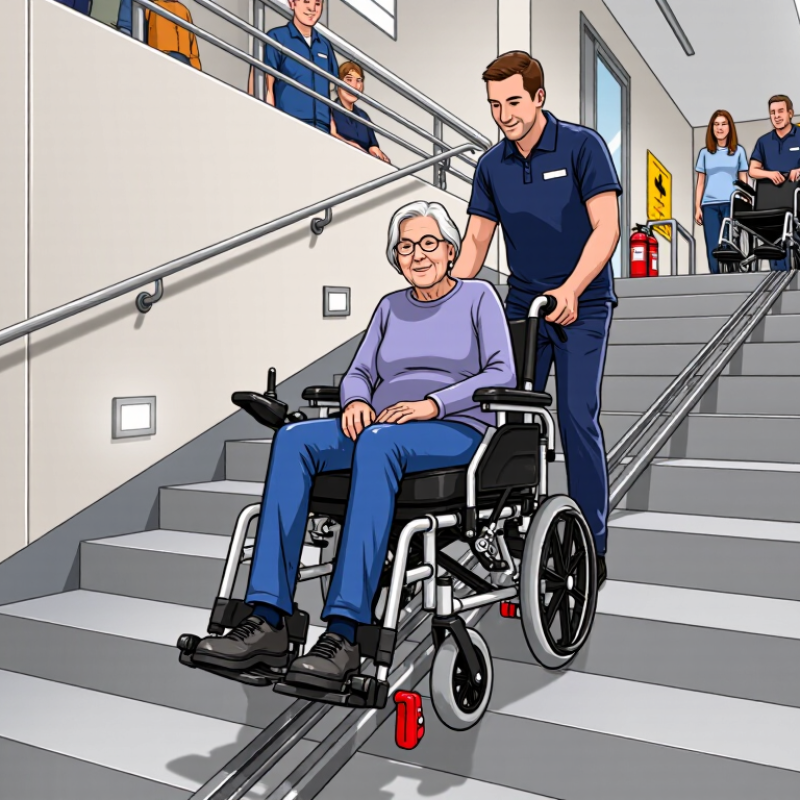
Choosing the best stair chair begins with its intended use, not its appearance. A manual evacuation chair suits trained teams moving a seated person down stairs during an emergency. It usually needs two operators and clear coordination. A tracked stair chair supports controlled descent with continuous contact on the steps. It can reduce lifting, but it still requires training and suitable stair dimensions. A transfer chair is different. It helps move someone across short, level areas and narrow corridors. It may not be designed for repeated stair descent.

The World Health Organization reports that falls cause about 684,000 fatal injuries worldwide each year, with adults over 60 facing the greatest risk. The CDC also reports that more than one in four older adults falls annually in the United States. These figures concern falls generally, not stair-chair performance. That distinction matters. A chair cannot replace a practiced evacuation plan. Check the user’s weight, posture, mobility, and medical needs before choosing equipment. Measure stair width, landings, turns, and surface condition. Test the chair with trained staff, not just an empty frame. That mistake happens.

Look for secure restraints, stable handles, controlled braking, and clear operating instructions. Powered stair-climbing models may assist on long routes, but they need charging and technical checks. Manual models can remain ready during power loss. However, they demand more physical effort. The best choice may change after a real drill. A quiet chair can still feel unstable on a tight landing. Consult applicable safety standards, facility procedures, and qualified emergency-planning professionals before purchase.

Assessing Stairway Conditions and User Mobility Needs

How to Choose the Best Stair Chairs for Safety?

Assessing the stairway is more important than choosing a chair from a catalogue. Measure the clear width, landing space, step height, and turning areas. A narrow landing may prevent safe positioning. Sharp nosings can also catch wheels or footrests.

Check the environment carefully. Look for loose carpets, wet patches, poor lighting, handrail gaps, and blocked exits. Count every flight, including basement steps and emergency routes. A chair that works on straight stairs may struggle around tight corners. The surface matters, too. Smooth stone can reduce traction during transfers.

The user’s mobility needs require equal attention. Can the person sit upright without support? Do they control their head, trunk, and legs? Consider pain, balance, confusion, body weight, and fear of heights. A person with limited arm strength may need stronger caregiver support. Someone using a wheelchair may require a safer transfer method before entering the chair.

Do not guess.

A trained assessor should observe an actual transfer, not rely only on measurements. The caregiver should practice braking, securing straps, and communicating each movement. This is where assessments can become imperfect. People often perform better during a calm demonstration than during a real emergency. Repeat the evaluation under realistic conditions, and record any hesitation, instability, or unsafe contact with the stairs.

Comparing Essential Safety Features and Comfort Options

Choosing the best stair chair requires more than checking its weight rating. In practical safety assessments, I examine the braking system, locking mechanisms, harness, handles, and wheel stability. These features should work smoothly, even when a user feels weak or frightened. Clear instructions matter too. Confusing controls can create dangerous hesitation during a transfer.

Comfort deserves equal attention. A padded seat can reduce pressure during longer movement, while adjustable footrests help support different leg lengths. Look for a harness that holds the body securely without digging into the shoulders. Armrests, head support, and a suitable seat width may also improve confidence. However, extra padding is not always better. It can make transfers harder if the user must slide from a bed or wheelchair. A professional assessment should consider the user’s height, mobility, body shape, and stair design.

Tips: Test the chair with trained staff before regular use. Check whether the brakes engage fully on each step. Ask the user about pressure points, balance, and fear. Inspect straps and wheels often. A chair may appear comfortable in a showroom but feel restrictive on a narrow staircase. That difference deserves honest attention. Choose the model that supports controlled movement, easy handling, and the user’s dignity.

Checking Weight Capacity, Portability, and Storage Requirements

Choosing a stair chair safely starts with its weight capacity.

Check the user’s weight, clothing, bags, and attached medical equipment. Leave a clear margin, rather than selecting a chair that barely meets the limit. A chair rated for 300 pounds may not feel stable with a 295-pound user and a loaded oxygen bag.

Read the capacity label and operating manual carefully. I have found that actual stair conditions matter too. Narrow landings, sharp turns, and wet soles can change handling dramatically.

Ask a trained helper to test the chair without a passenger. That small step reveals awkward brakes or poor balance.

Portability affects every transfer.

Look for manageable lifting points, secure locking parts, and wheels that roll smoothly over thresholds. If the chair is heavy, two-person handling may be safer than one-person carrying.

Do not judge portability by folded size alone. Measure the stair width, doorway, vehicle trunk, and storage closet. A compact chair can still block a hallway when folded.

Store it upright only if the manual permits that position. Keep straps dry, inspect hinges, and check fasteners before each use.

I once underestimated storage space; retrieving equipment became rushed and less controlled. That mistake deserves attention.

Selecting, Testing, and Maintaining the Right Stair Chair

Choosing a stair chair requires more than comparing weight limits. The World Health Organization reports that falls cause about 684,000 fatal injuries worldwide each year. That risk makes controlled evacuation essential.

Select a chair with a clearly marked capacity, secure restraint straps, and stable rear tracks or friction brakes. Check compatibility with narrow landings, sharp turns, and uneven stair edges. Ask trained responders to test it with a weighted load, not only an empty chair. Observe stopping distance, grip comfort, and communication between operators. A smooth trial can hide real problems.

Testing must reflect the building. Practice on the actual staircase, including low lighting and crowded landings. OSHA emergency-action guidance emphasizes defined procedures, training, and assigned responsibilities. Keep instructions beside the storage point. Short instructions matter. Record every drill.

Inspect straps, buckles, wheels, tracks, handles, and frame joints before use. Look for frayed webbing, bent parts, loose fasteners, or unusual noise. Follow the manufacturer’s service schedule and document repairs. NFPA 101 stresses maintaining life-safety equipment in working condition. A monthly check may be sensible, but heavy use requires more frequent review. I would not trust a chair simply because it passed last year. Human fatigue, stair dust, and rushed decisions can change performance quickly.

How to Choose the Best Stair Chairs for Safety?

Selecting, testing, and maintaining the right stair chair

The chart uses a practical 100-point evaluation model: load compatibility, occupant restraint, braking and stability, operator training, and inspection and maintenance. Always follow the chair manufacturer’s instructions, verify the device before every use, and use trained operators.