China Top Chair Lift For Seniors Manufacturers and Suppliers

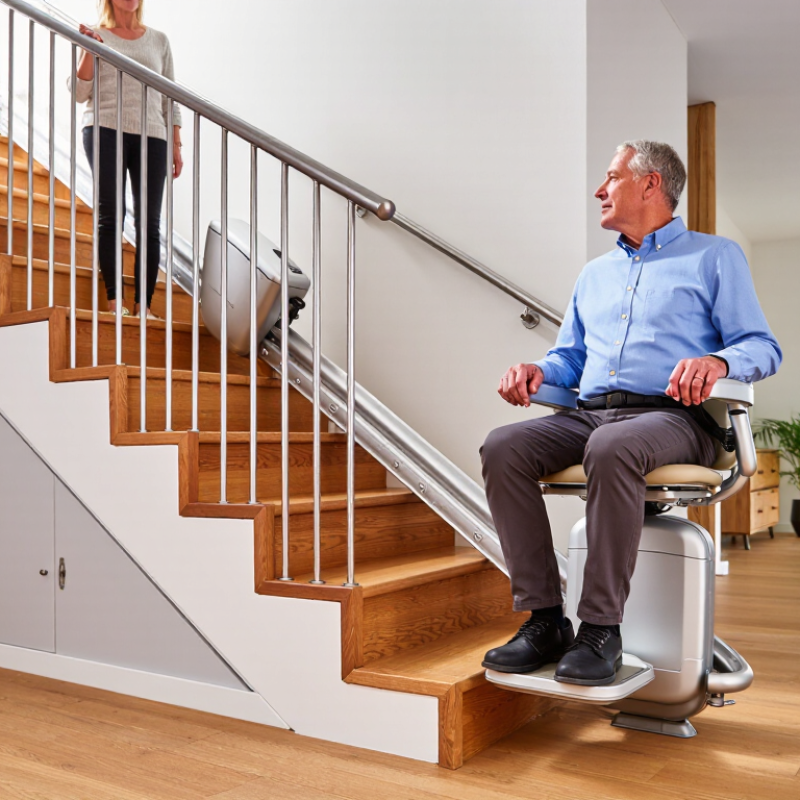
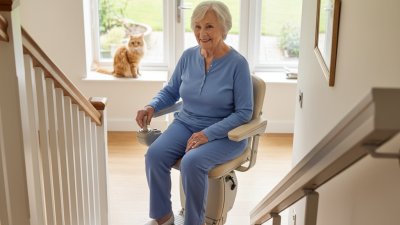
China’s chair lift industry is gaining attention as families seek safer, more independent homes for older adults. A Chair Lift For Seniors can support daily movement between floors, especially when knees weaken or balance becomes uncertain. Picture a narrow staircase, a firm seat, and a controlled ride instead of a risky climb.

The United Nations’ World Social Report 2023 projects that people aged 65 and above will represent 16% of the global population by 2050. The World Health Organization also expects one in six people worldwide to be aged 60 or older by 2030. These figures reveal a growing need for practical aging-in-place equipment. The U.S. Centers for Disease Control and Prevention reports that more than one in four older adults falls each year. A lift cannot prevent every fall. It can, however, reduce one repeated household challenge.

Dr. Joseph Coughlin, director of the MIT AgeLab, has said, “The future of aging is not about old people; it is about all of us.” His observation matters to manufacturers and suppliers. Good equipment should serve users, caregivers, and changing family needs. Reliable suppliers should explain weight capacity, battery backup, seat belts, rail design, installation, and after-sales service clearly. Independent testing and documented quality controls also deserve attention. Price alone is not enough. A quieter motor may improve comfort, while a poorly fitted rail can create new concerns. China’s leading manufacturers are increasingly expected to combine engineering discipline with practical user experience. Still, buyers should verify certifications, warranty terms, and local service coverage before choosing a supplier. Mistakes happen, and careful questions remain essential.

China Top Chair Lift For Seniors Manufacturers and Suppliers

Types of Chair Lifts for Seniors Made in China

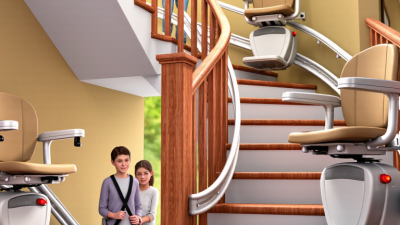
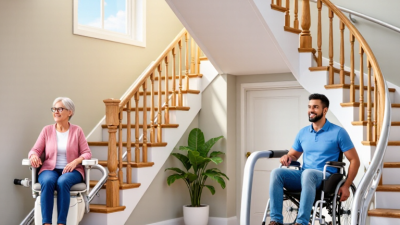
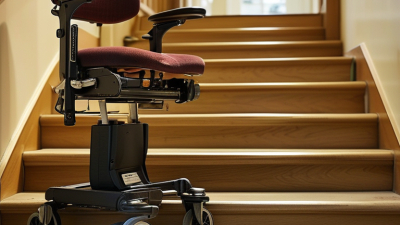
Chair lifts for seniors made in China commonly include straight, curved, and outdoor models. Straight stair lifts fit one continuous staircase and usually offer simpler installation. Curved models follow landings, turns, and split-level layouts. They need accurate measurements and custom rail production. Outdoor lifts use weather-resistant seats, sealed controls, and stronger protective covers.

A practical assessment should check stair width, seat height, user weight, and transfer ability. Swivel seats can help seniors move safely from the chair to the landing. Foldable footrests save space in narrow hallways. Battery backup is important during power failures. Some models include sensors that stop the lift when an obstacle appears. These details sound small. They affect daily confidence.

Manufacturers and suppliers should provide load testing records, installation guidance, maintenance schedules, and clear warranty terms. Buyers should ask about emergency lowering procedures and replacement battery availability. Indoor fabric may feel comfortable, but it can age poorly in humid areas. Outdoor versions may resist rain, yet exposed rails still require regular cleaning. No design suits every home. A professional site survey remains necessary, even when online measurements seem convenient. Mistakes can happen. Rechecking the staircase before production is a sensible step.

Key Features and Safety Standards for Senior Chair Lifts

Choosing a senior chair lift from China requires more than comparing prices and delivery times. A well-designed lift should offer a stable seat, adjustable armrests, a secure footrest, and a clear control panel. The seat belt must lock firmly without pressing against the user. Smooth starts and stops also reduce fear and help prevent balance problems.

Safety features deserve close inspection. Obstacle sensors should stop the chair when they detect a shoe, toy, or loose carpet. A swivel seat can help users exit safely at the top or bottom of the stairs. Battery backup is essential during power failures. Manual emergency lowering may also be valuable. Small details matter. Poorly positioned controls can create real difficulty for users with weak hands.

Reliable suppliers should provide load testing, electrical safety records, installation instructions, and maintenance schedules. Ask which standards apply to the destination market, such as EN 81-40 for stair lifts or ASME A18.1 in the United States. Certificates alone are not enough; request current test reports and product traceability. Experienced manufacturers normally explain rail measurements, stair angles, warranty terms, and technician training clearly. Some suppliers may offer attractive specifications but weak after-sales support. That risk deserves honest attention before ordering.

China Top Chair Lift For Seniors Manufacturers and Suppliers - Key Features and Safety Standards for Senior Chair Lifts

Evaluation Dimension Typical Product Data Safety or Usability Benefit Recommended Supplier Evidence
Intended User Older adults and users who need assistance standing, sitting, or reclining Reduces the effort required during transfers between the chair and standing position User-weight range, intended-use statement, and risk assessment
Rated Lifting Capacity Common models are rated approximately 120–180 kg; heavy-duty versions may be rated higher Provides an appropriate safety margin when the user’s weight is within the specified limit Load-capacity test report and clearly marked maximum user weight
Lift Mechanism Electric actuator raises the seat and tilts it forward to assist standing Allows gradual movement and can reduce strain on the knees, hips, and lower back Actuator specifications, duty-cycle data, and movement testing records
Reclining Positions Typically includes upright, reading, resting, and near-flat positions; exact angles vary by model Supports different sitting and resting preferences Position-angle diagram and product dimensional drawing
Motor Configuration Single-motor designs control lift and recline together; dual-motor designs control them independently Independent adjustment can improve comfort and positioning flexibility Motor model, rated voltage, current, cycle test, and service-life information
Electrical Input Low-voltage DC motor systems commonly use an external power adapter; input voltage and plug type depend on the destination market Separating the adapter from the chair can simplify electrical protection and replacement Adapter label, electrical safety report, EMC report, and destination-market plug details
Emergency Battery Backup Optional battery backup is commonly provided to return the chair to a safe position during a power outage Helps the user exit the chair when mains power is unavailable; it is not intended for continuous operation Battery type, capacity, replacement procedure, and backup-cycle test
Hand Control Large-button wired remote with lift, recline, stop, and reset functions; illuminated buttons may be available Simple controls are easier to operate for users with limited dexterity or vision Remote-control layout, tactile-button details, cable routing, and accessibility testing
Anti-Tip Stability Wide base, stable frame, and anti-tip design should be provided; the chair must be used on a level floor Helps prevent forward or backward instability during lifting and reclining Static stability, load-distribution, and tip-resistance test results
Pinch-Point Protection Moving linkages should be shielded or designed with controlled clearances around the mechanism Reduces the risk of fingers, clothing, or cables becoming trapped Mechanical hazard assessment, clearance inspection, and user instructions
Thermal and Overload Protection Motor and control systems should include overload, overcurrent, or thermal protection appropriate to the design Helps limit overheating and damage caused by excessive load or repeated operation Protection-circuit description and abnormal-operation test report
Upholstery and Cleaning Fabric, synthetic leather, or leather upholstery; wipe-clean and stain-resistant options are common Easy-clean surfaces support hygiene and routine maintenance Material composition, abrasion results, chemical-cleaning guidance, and flammability data where required
Seat Ergonomics Seat width and height vary; common designs use padded armrests, lumbar cushioning, and supportive backrests Correct seat dimensions help improve comfort and transfer stability Seat-height, seat-width, seat-depth, armrest-height, and footrest dimensions
Noise and Operating Smoothness Quality electric actuators should provide controlled, low-vibration movement; actual sound levels depend on structure and load Smooth operation improves comfort and reduces disturbance in residential settings Noise measurement method, operating-cycle video, and vibration inspection records
Applicable Safety Standards Depending on the destination market and product classification, evaluation may involve UL 962, IEC 60335-1, EN 60335-1, EN 62233, or applicable national adoptions Provides a framework for electrical, mechanical, thermal, and electromagnetic safety evaluation Valid test reports or certifications that identify the exact model, configuration, and applicable market
Quality-Control Process Incoming-material inspection, assembly checks, electrical testing, functional testing, and final visual inspection Helps identify wiring, structural, upholstery, and actuator defects before shipment Inspection checklist, batch records, sampling plan, traceability procedure, and corrective-action process
Packaging and After-Sales Support Protective packaging, assembly instructions, spare parts, warranty terms, and technical support should be defined before purchase Reduces transit damage and supports safe installation, maintenance, and repair Packaging drop-test records, installation manual, spare-parts list, warranty policy, and service response terms

Note: Specifications and applicable certifications vary by model and destination market. Buyers should verify the exact configuration, rated capacity, electrical requirements, and certification scope before placing an order.

How Chinese Chair Lift Manufacturers Design and Produce Their Products

Chinese chair lift manufacturers design products around real household conditions, not only showroom appearance. Engineers study stair width, landing space, power access, and the user’s transfer habits. They often build adjustable seats, supportive armrests, and controls with large, tactile buttons. A quiet motor matters at night. So does a smooth start.

Production usually begins with measured drawings and a functional prototype. Technicians test rail alignment, battery backup, seat locking, footrest movement, and emergency stopping. Load tests simulate repeated daily use, while inspection teams check welds, fasteners, wiring, and surface finishes. Each production batch should have traceable records, including component checks and final operating results. This supports dependable service and clearer accountability.

Manufacturing feedback also changes the design. Installers may report that a rail is difficult to position beside a narrow wall. Older users may find a control too small. These details can lead to revised brackets, softer edges, or simpler instructions. No design is flawless. A prototype may pass a laboratory test yet feel awkward in a real home. Reliable manufacturers review complaints, repair data, and user trials before approving changes. They also provide installation guidance and maintenance information, helping families understand limits, charging needs, and safe operation.

Choosing Reliable Chinese Chair Lift Suppliers for Different Needs

Choosing Reliable Chinese Chair Lift Suppliers for Different Needs

Selecting a Chinese chair lift supplier requires more than comparing prices. Start by defining the user’s mobility needs, staircase shape, weight capacity, and indoor conditions. Straight staircases may need standard models, while curved or narrow stairs require accurate site measurements and customized rails. Ask suppliers for technical drawings, material details, safety features, and installation guidance. A dependable manufacturer should explain limitations clearly, not promise that every lift fits every home.

Request evidence of factory experience, quality inspections, and relevant product certifications. Check how suppliers test brakes, sensors, batteries, seat belts, and emergency lowering systems. It is also wise to review sample units or arrange a video factory tour. After-sales support matters greatly. Confirm spare-part availability, warranty terms, response times, and technician training before placing an order. One overlooked detail can create expensive delays.

Tips: Compare at least three suppliers. Ask for a complete quotation. Include shipping, installation, training, and replacement parts. Confirm whether the quoted load rating matches real user needs. Speak with previous buyers when possible. Some suppliers communicate well before payment but respond slowly later. That possibility deserves attention. A careful trial order may reveal weaknesses before a larger purchase. Older users also need comfortable armrests, smooth starts, simple controls, and enough space for safe boarding. Test these details, rather than relying only on photographs.

Ordering, Installation, Maintenance, and After-Sales Support

Choosing a chair lift supplier in China requires more than comparing unit prices. Ask for load ratings, rail dimensions, seat width, battery type, and documented testing. Share stair photos, rise measurements, landing widths, and the user’s mobility needs before ordering. A reliable manufacturer should confirm these details in writing. Request drawings and a realistic production schedule. One overlooked doorway can delay delivery. Mistakes happen.

Installation should follow approved drawings and applicable safety requirements. Trained technicians must check anchor spacing, rail alignment, seat rotation, charging points, and travel limits. After fitting, test the lift empty and with a representative load. Demonstrate emergency lowering, controls, safety belts, and charging indicators to caregivers. Keep a signed commissioning record. Remote guidance may help, but it cannot replace an on-site inspection in every situation. Test everything.

Maintenance becomes easier when planned. Wipe the rails, inspect belts, test safety sensors, and keep charging contacts clean. Schedule professional inspections according to usage and supplier instructions. Ask the after-sales team about spare-part availability, response times, warranty exclusions, and technical support language. A dependable supplier provides manuals, troubleshooting steps, and traceable service records. If a fault appears, stop using the lift and report exact symptoms with photos. No system stays perfect forever. Honest follow-up matters more than polished promises.

China Top Chair Lift for Seniors Manufacturers and Suppliers

Typical Ordering, Installation, Maintenance, and After-Sales Timeframes

This chart presents practical planning benchmarks for residential chair lift projects: order processing, on-site installation, routine maintenance, and initial after-sales response. Actual timeframes may vary according to staircase design, product configuration, site access, and service coverage.